
Mitochondrial & Cellular Research Peptides
This category covers mitochondrial-derived peptides, cardiolipin-targeting compounds, and molecules studied in the context of cellular senescence and telomere biology. An active and comparatively young research area.
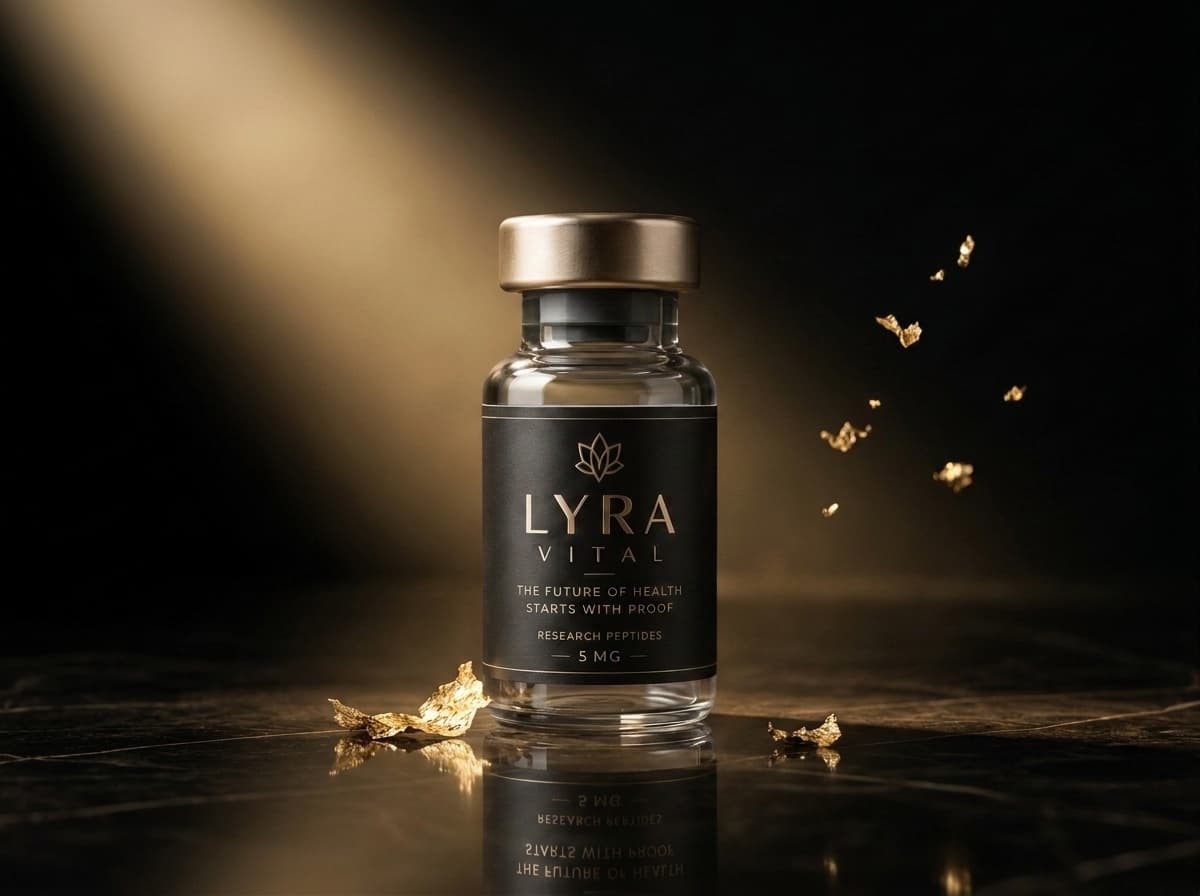
MOTS-c
10mg · COA published
16-amino-acid mitochondrial-derived peptide studied for AMPK activation and metabolic homeostasis.
- CAS
- 1627580-64-7
- MW
- 2174.61
- Purity
- Per published certificate
SS-31
10mg · COA published
Mitochondria-targeting tetrapeptide with high affinity for cardiolipin on the inner mitochondrial membrane.
- CAS
- 736992-21-5
- MW
- 639.79
- Purity
- Per published certificate
Epitalon
10–50mg · COA published
Synthetic tetrapeptide studied for telomerase activity and pineal regulation in cell and animal models.
- CAS
- 307297-39-8
- MW
- 390.35
- Purity
- Per published certificate
NAD+
500–1000mg · COA published
Essential redox coenzyme and substrate for sirtuins and PARPs — central to metabolic and DNA repair research.
- CAS
- 53-84-9
- MW
- 663.43
- Purity
- Per published certificate
Glutathione
750–1500mg · COA published
Endogenous thiol tripeptide and the principal intracellular antioxidant, central to redox buffering research.
- CAS
- 70-18-8
- MW
- 307.32
- Purity
- Per published certificate
5-Amino-1MQ
10mg · COA published
Small-molecule NNMT inhibitor studied for effects on cellular methylation capacity and NAD+ salvage.
- CAS
- 42464-96-0
- MW
- 159.21
- Purity
- Per published certificate
Direct comparisons in this area
Shortlisting within a research area is where most of these decisions actually get made, so the pairs are compared on the same measured figures rather than on claims.
NAD+ vs 5-Amino-1MQ
Direct NAD+ supply against inhibition of the enzyme that depletes its precursor — two opposite strategies toward the same pool.
NAD+ vs Glutathione
The two dominant redox cofactors in cell biology, routinely confused because both are described as antioxidants — only one of them actually is.
MOTS-c vs SS-31
Both target mitochondrial function, but one is a mitochondrially-encoded signaling peptide and the other a cardiolipin-binding structural agent.
5-Amino-1MQ vs Epitalon
5-Amino-1MQ vs Glutathione
5-Amino-1MQ vs MOTS-c
Other research areas