
Tissue Repair Research Peptides
Research in this category centers on angiogenesis, extracellular matrix remodeling, cell migration, and cytoprotective signaling. Much of the published literature involves rodent injury models and in vitro fibroblast and endothelial assays.
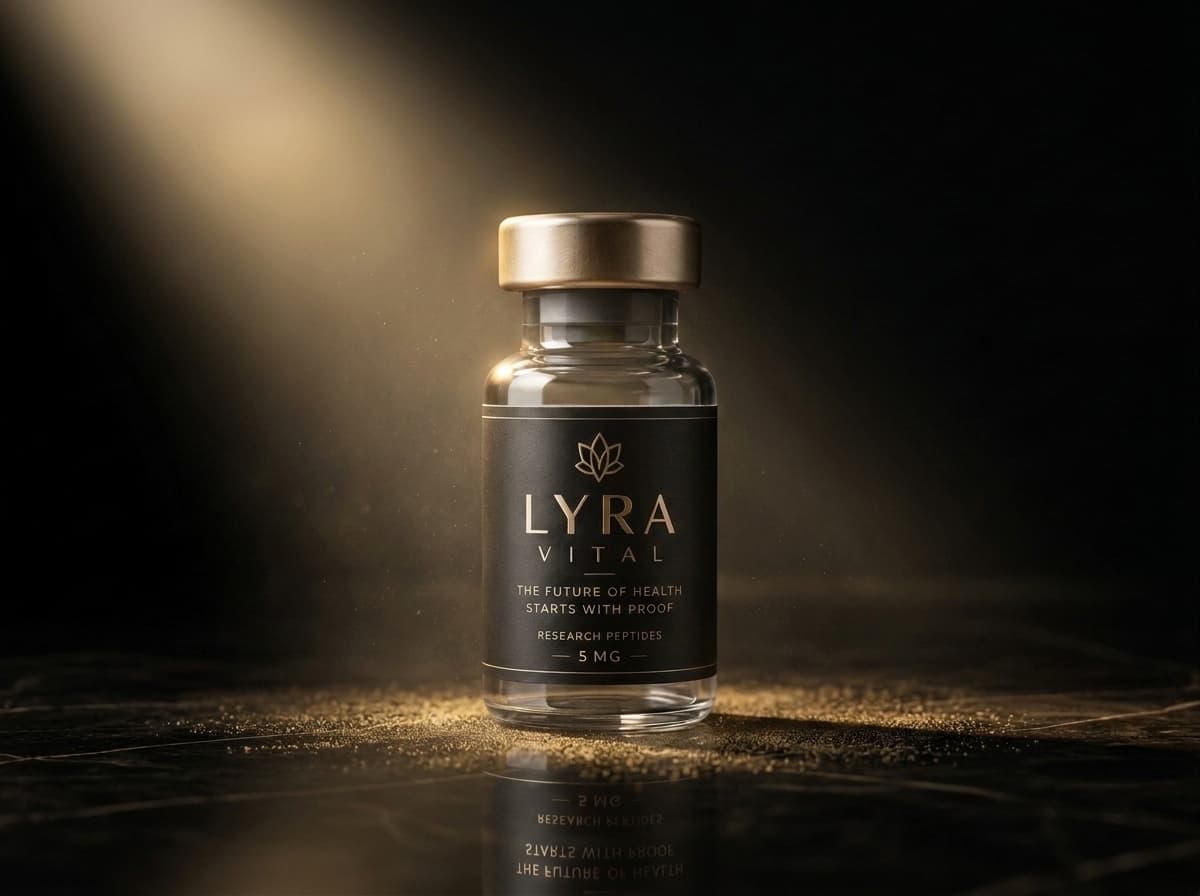
BPC-157
5–10mg · COA published
Synthetic pentadecapeptide derived from a gastric juice protein, widely studied for cytoprotection and angiogenic signaling.
- CAS
- 137525-51-0
- MW
- 1419.53
- Purity
- Per published certificate
TB-500
5–10mg · COA published
Synthetic thymosin beta-4, a 43-amino-acid actin-sequestering peptide studied for cell migration and angiogenesis.
- CAS
- 77591-33-4
- MW
- 4963.44
- Purity
- Per published certificate
GHK-Cu
50–100mg · COA published
Naturally occurring copper-binding tripeptide studied for extracellular matrix remodeling and gene expression modulation.
- CAS
- 89030-95-5
- MW
- 400.9
- Purity
- Per published certificate
Wolverine Blend
10mg · COA published
Co-formulated pentadecapeptide and thymosin beta-4 fragment, the two most frequently co-administered compounds in tissue-repair literature, supplied in a single vial.
- CAS
- 137525-51-0 / 77591-33-4
- MW
- 1419.53
- Purity
- Per published certificate
Glow Blend
70mg · COA published
Three-compound co-formulation pairing the copper-binding tripeptide GHK-Cu with BPC-157 and TB-500, studied together in extracellular matrix and tissue-remodeling contexts.
- CAS
- 89030-95-5 / 137525-51-0 / 77591-33-4
- MW
- 400.9
- Purity
- Per published certificate
Direct comparisons in this area
Shortlisting within a research area is where most of these decisions actually get made, so the pairs are compared on the same measured figures rather than on claims.
GHK-Cu vs BPC-157
Both studied in tissue repair contexts, but one works through matrix remodeling and copper delivery, the other through angiogenic signaling.
BPC-157 vs TB-500
The most frequently co-administered pair in the repair literature, which means they are also the most frequently conflated. They act through entirely different mechanisms.
BPC-157 vs Glow Blend
BPC-157 vs Wolverine Blend
GHK-Cu vs Glow Blend
GHK-Cu vs TB-500
Other research areas