
Tissue Repair
BPC-157
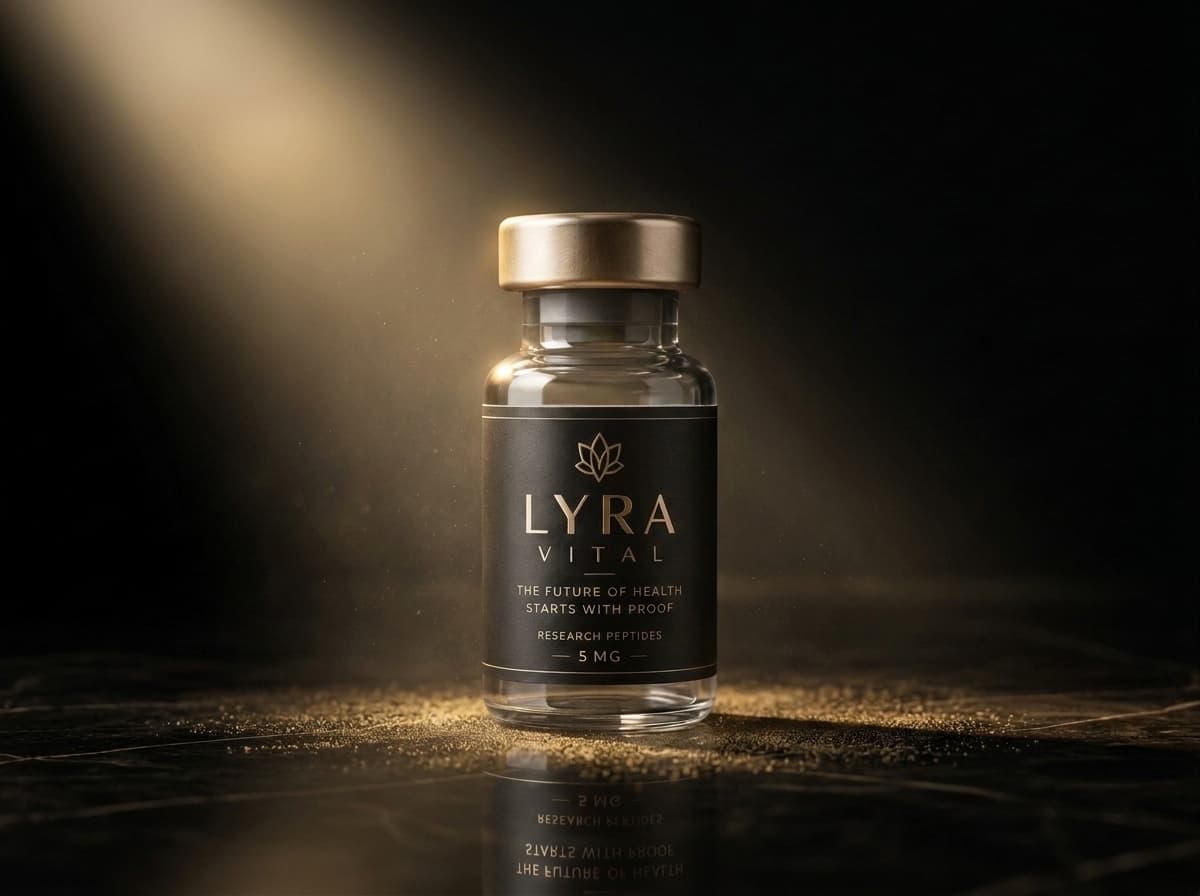
BPC-157 (Body Protection Compound-157)
BPC-157 is a synthetic 15-amino-acid sequence corresponding to a partial fragment of body protection compound, a protein identified in human gastric juice. It is notably stable in gastric acid, a property unusual among peptides of comparable size and one that has made it a frequent subject of oral-administration studies in rodent models. The published literature is dominated by a single research group, which is a genuine methodological caveat worth noting when evaluating the evidence base.
Research applications
- Angiogenesis and VEGFR2 signaling pathway studies
- Tendon and ligament fibroblast migration assays
- Gastrointestinal mucosal integrity research in rodent models
- Nitric oxide system interaction studies
Storage
Store lyophilized powder at -20°C protected from light. Reconstituted solution stable at 2-8°C for up to 30 days.
Reconstitution
Reconstitute with bacteriostatic water directed slowly down the vial wall. Swirl gently; do not shake.
Published literature
222 papers indexed on PubMed for BPC-157. Showing 6, reviews first.
- 01Injectable Peptide Therapy: A Primer for Orthopaedic and Sports Medicine Physicians
Mayfield CK et al. · Am J Sports Med · 2026
- 02Therapeutic Peptides in Orthopaedics: Applications, Challenges, and Future Directions
Rahman OF et al. · J Am Acad Orthop Surg Glob Res Rev · 2026
- 03Multifunctionality and Possible Medical Application of the BPC 157 Peptide-Literature and Patent Review
Józwiak M et al. · Pharmaceuticals (Basel) · 2025
- 04Emerging Use of BPC-157 in Orthopaedic Sports Medicine: A Systematic Review
Vasireddi N et al. · HSS J · 2025
- 05Regeneration or Risk? A Narrative Review of BPC-157 for Musculoskeletal Healing
McGuire FP et al. · Curr Rev Musculoskelet Med · 2025
- 06Injectable Therapeutic Peptides-An Adjunct to Regenerative Medicine and Sports Performance?
DeFoor MT, Dekker TJ · Arthroscopy · 2025
Indexed from PubMed, 2026-07-19. We link to sources rather than reproducing them.
Related compounds
TB-500
5–10mg · COA published
Synthetic thymosin beta-4, a 43-amino-acid actin-sequestering peptide studied for cell migration and angiogenesis.
- CAS
- 77591-33-4
- MW
- 4963.44
- Purity
- Per published certificate
GHK-Cu
50–100mg · COA published
Naturally occurring copper-binding tripeptide studied for extracellular matrix remodeling and gene expression modulation.
- CAS
- 89030-95-5
- MW
- 400.9
- Purity
- Per published certificate
Wolverine Blend
10mg · COA published
Co-formulated pentadecapeptide and thymosin beta-4 fragment, the two most frequently co-administered compounds in tissue-repair literature, supplied in a single vial.
- CAS
- 137525-51-0 / 77591-33-4
- MW
- 1419.53
- Purity
- Per published certificate
Glow Blend
70mg · COA published
Three-compound co-formulation pairing the copper-binding tripeptide GHK-Cu with BPC-157 and TB-500, studied together in extracellular matrix and tissue-remodeling contexts.
- CAS
- 89030-95-5 / 137525-51-0 / 77591-33-4
- MW
- 400.9
- Purity
- Per published certificate
How BPC-157 compares
Side-by-side against the compounds researchers most often weigh it against, with price per milligram, mechanism and the published certificate for each.
GHK-Cu vs BPC-157
Both studied in tissue repair contexts, but one works through matrix remodeling and copper delivery, the other through angiogenic signaling.
BPC-157 vs TB-500
The most frequently co-administered pair in the repair literature, which means they are also the most frequently conflated. They act through entirely different mechanisms.
BPC-157 vs Glow Blend
BPC-157 vs Wolverine Blend
BPC-157
From $39