
Tissue Repair
Wolverine Blend
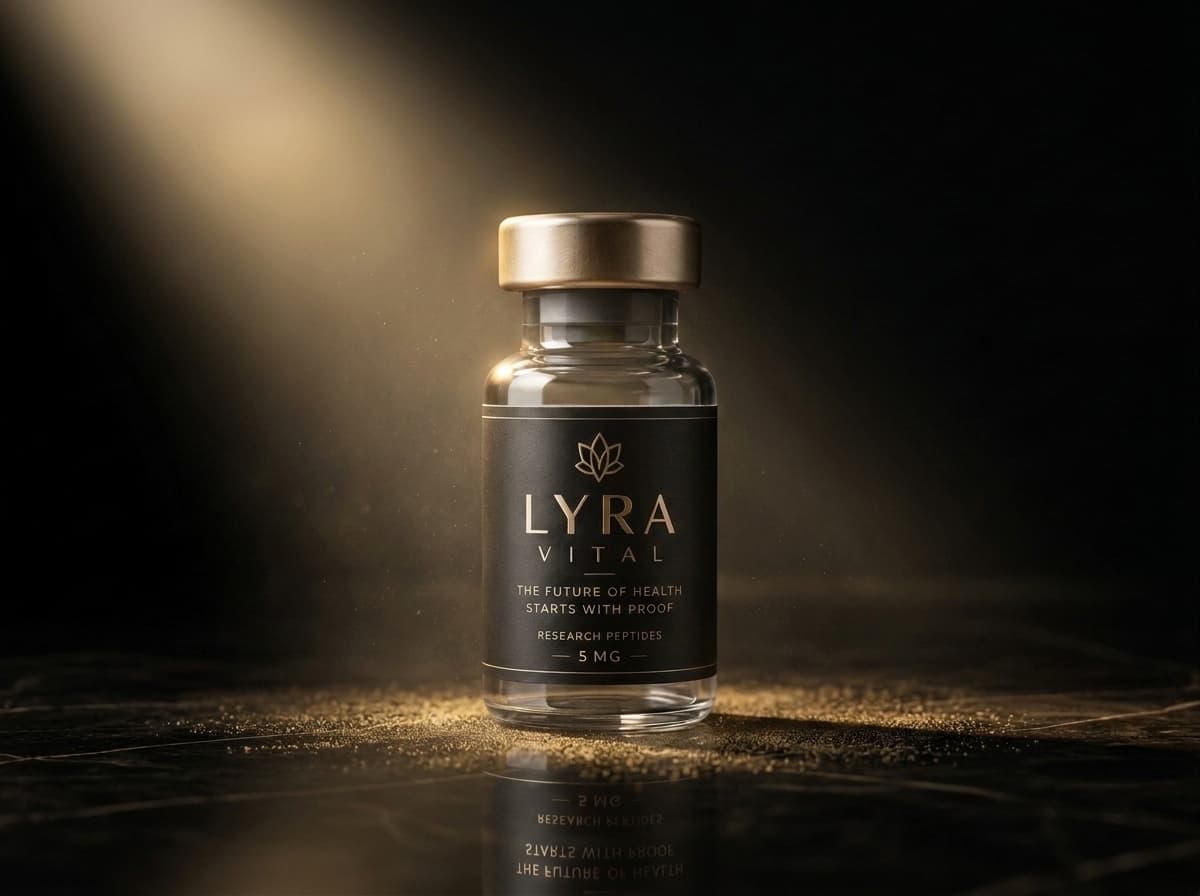
BPC-157 + TB-500 co-formulated blend (5mg + 5mg)
This blend combines BPC-157, a synthetic pentadecapeptide derived from a gastric juice protein, with TB-500, a synthetic fragment of thymosin beta-4. The two are the most frequently co-administered pair in the repair literature because they act through entirely different mechanisms: BPC-157 is studied for angiogenic signaling and cytoprotection, while TB-500 is studied for actin sequestration and cell migration. Co-formulation removes a reconstitution step; it is not a claim of synergy, and the underlying evidence for each compound remains separate.
Research applications
- Comparative angiogenesis and cell-migration assays
- Tendon and ligament repair models
- Actin-sequestration versus cytoprotection pathway separation
- Co-administration protocol design
Storage
Store lyophilized powder at -20°C protected from light. Reconstituted solution stable at 2-8°C for up to 30 days.
Reconstitution
Reconstitute with bacteriostatic water directed down the vial wall. Swirl gently until dissolved; do not shake.
Related compounds
BPC-157
5–10mg · COA published
Synthetic pentadecapeptide derived from a gastric juice protein, widely studied for cytoprotection and angiogenic signaling.
- CAS
- 137525-51-0
- MW
- 1419.53
- Purity
- Per published certificate
TB-500
5–10mg · COA published
Synthetic thymosin beta-4, a 43-amino-acid actin-sequestering peptide studied for cell migration and angiogenesis.
- CAS
- 77591-33-4
- MW
- 4963.44
- Purity
- Per published certificate
GHK-Cu
50–100mg · COA published
Naturally occurring copper-binding tripeptide studied for extracellular matrix remodeling and gene expression modulation.
- CAS
- 89030-95-5
- MW
- 400.9
- Purity
- Per published certificate
Glow Blend
70mg · COA published
Three-compound co-formulation pairing the copper-binding tripeptide GHK-Cu with BPC-157 and TB-500, studied together in extracellular matrix and tissue-remodeling contexts.
- CAS
- 89030-95-5 / 137525-51-0 / 77591-33-4
- MW
- 400.9
- Purity
- Per published certificate
How Wolverine Blend compares
Side-by-side against the compounds researchers most often weigh it against, with price per milligram, mechanism and the published certificate for each.
Wolverine Blend
From $69